
Introduction — More Than Just a Soak
Hot tubs are more than backyard luxuries — they’re tools for relaxation, therapy, socializing, and lifestyle enhancement. But not all hot tubs are created equal. Among the big names in the industry, Bullfrog Spas stands out for its innovative design approach. Here’s how Bullfrog models differ from more conventional hot tubs — both in feature, function, and experience.
1. Jet Design: Customizable JetPaks vs Fixed Jets
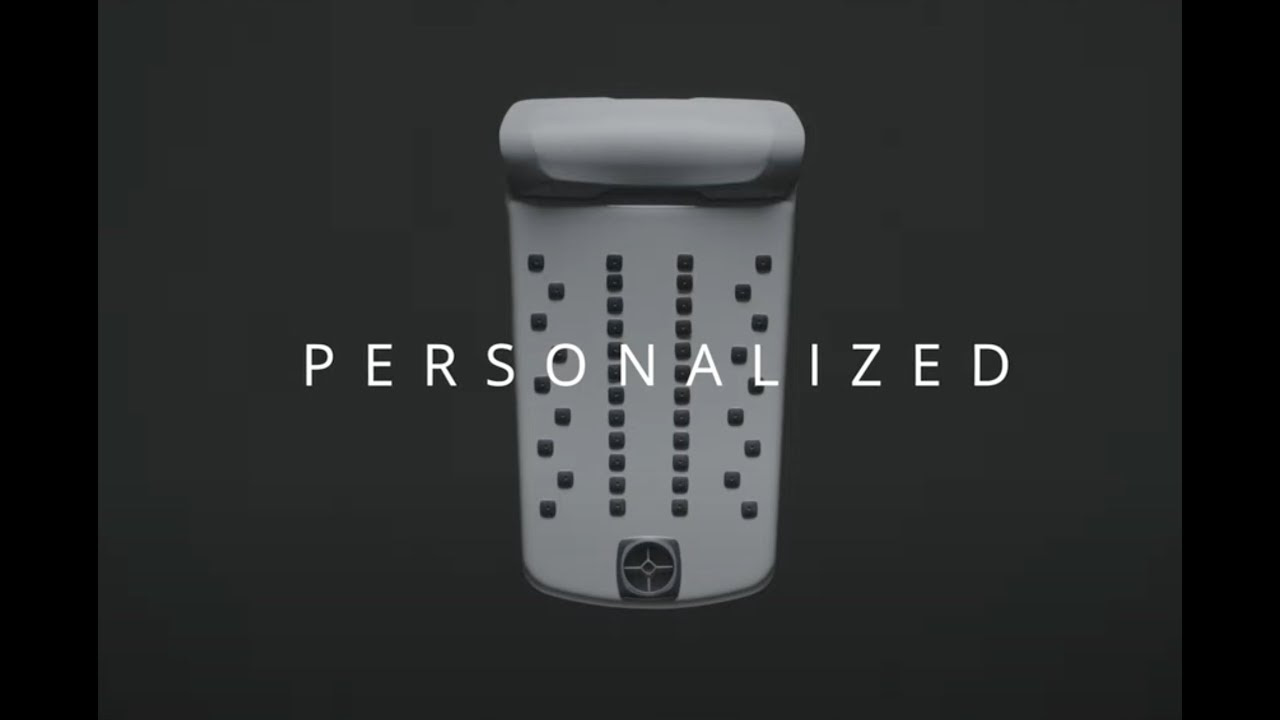
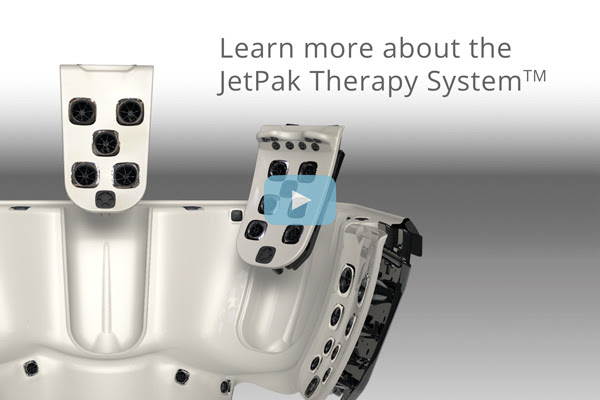
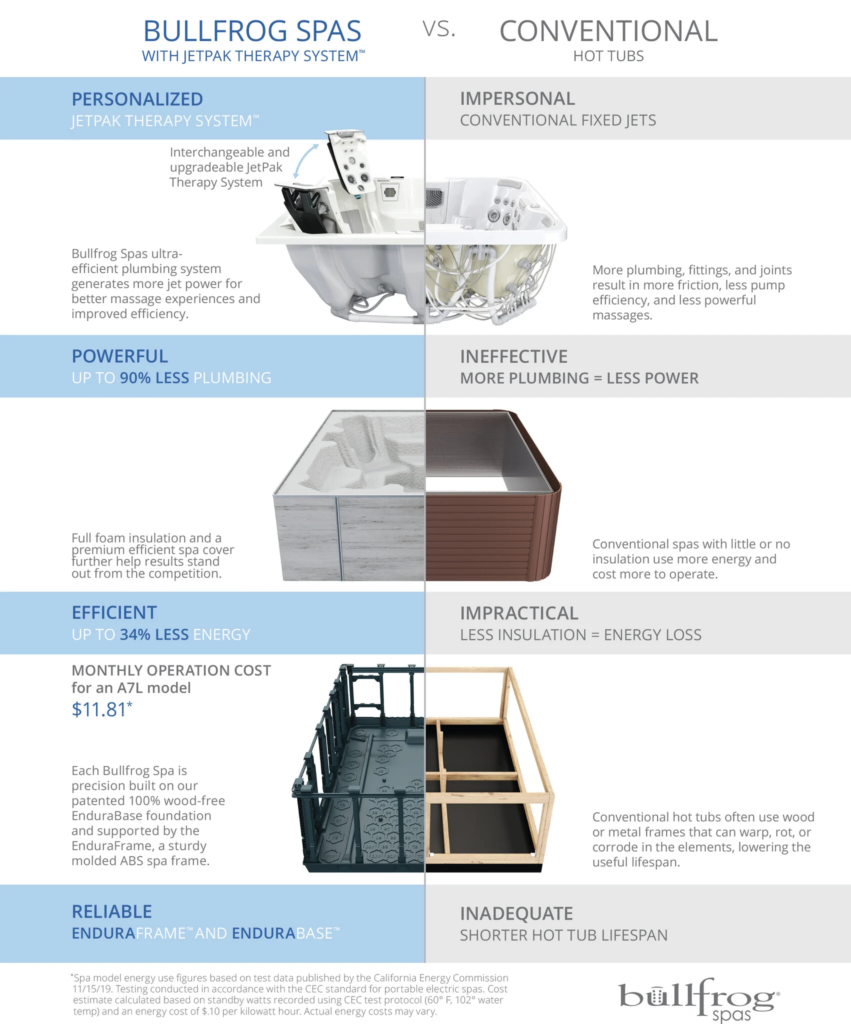
A graphic comparison of Bullfrog’s JetPak system vs traditional fixed jets shows the first big difference:
Bullfrog’s Patented JetPak Therapy System®
Bullfrog hot tubs use a unique, patented JetPak Therapy System®, where modular jet panels (called JetPaks) can be easily swapped between seats. Each JetPak offers a specific massage experience — deep tissue, pulsating relaxation, neck relief, etc. — and you can change them whenever you like.
This means you’re not stuck with a fixed set of jets in fixed locations. You can tailor the hydrotherapy experience to your body’s needs or preferences, seat by seat.
Conventional Hot Tubs
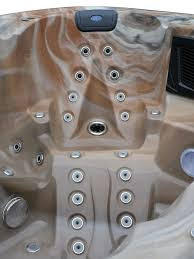
In most traditional hot tubs, jets are built directly into the shell with fixed placement and configuration. You can adjust flow or direction on many models, but you can’t reshuffle jet types or positions the way you can with Bullfrog JetPaks.
 Picture the difference: Bullfrog’s interchangeable jet modules vs rows of uniform fixed jets in a classic spa — the flexibility speaks for itself.
2. Engineering & Internal Design: Simplified vs Traditional Plumbing
One of the most touted differences is how Bullfrog’s internal plumbing is configured.
Bullfrog’s Streamlined Plumbing
Bullfrog’s JetPak system reduces the amount of conventional tubing and hose inside the spa. Water flows directly through the JetPaks via a proprietary H2Air Manifold, meaning up to 90% less plumbing than many conventional models. Fewer hoses and fittings mean lower chances for leaks and potentially higher energy efficiency because there is less distance for water to travel and less heat lost from exposed plumbing.
Conventional Hot Tub Plumbing
Most traditional spas use more extensive internal plumbing — loops of pipes running under seats and around the shell to deliver water to the jets. This layout is established and proven, but it comes with more potential leak points and can mean slightly higher heat loss due to longer water pathways.
3. Personalization & Hydrotherapy Choices
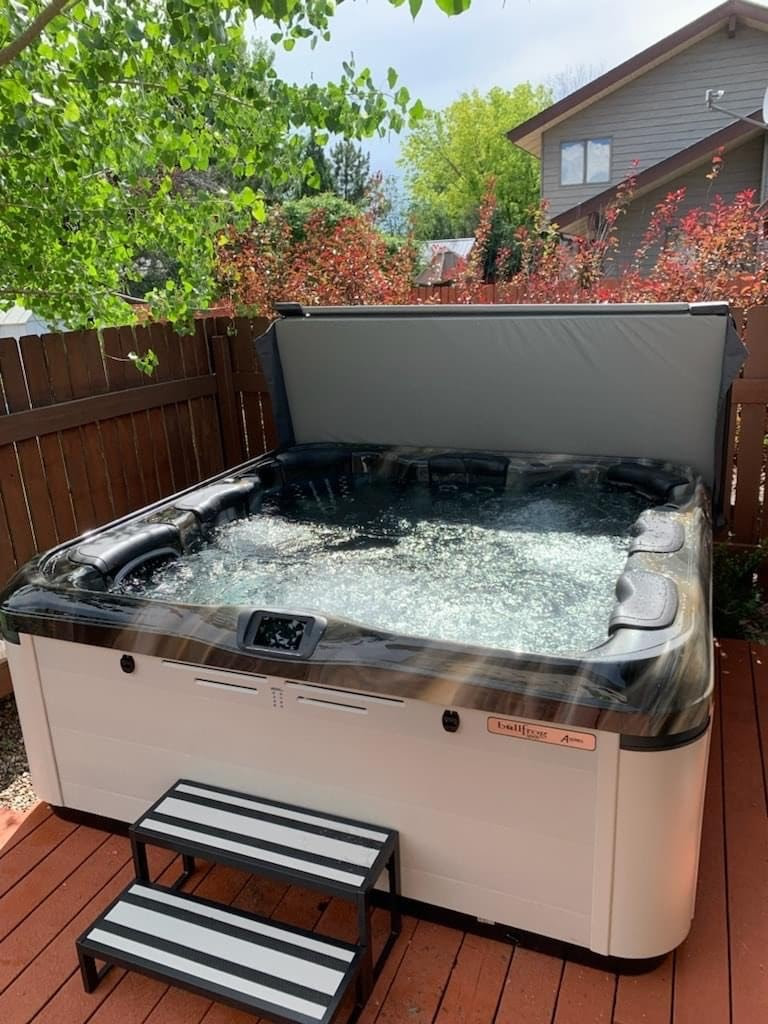
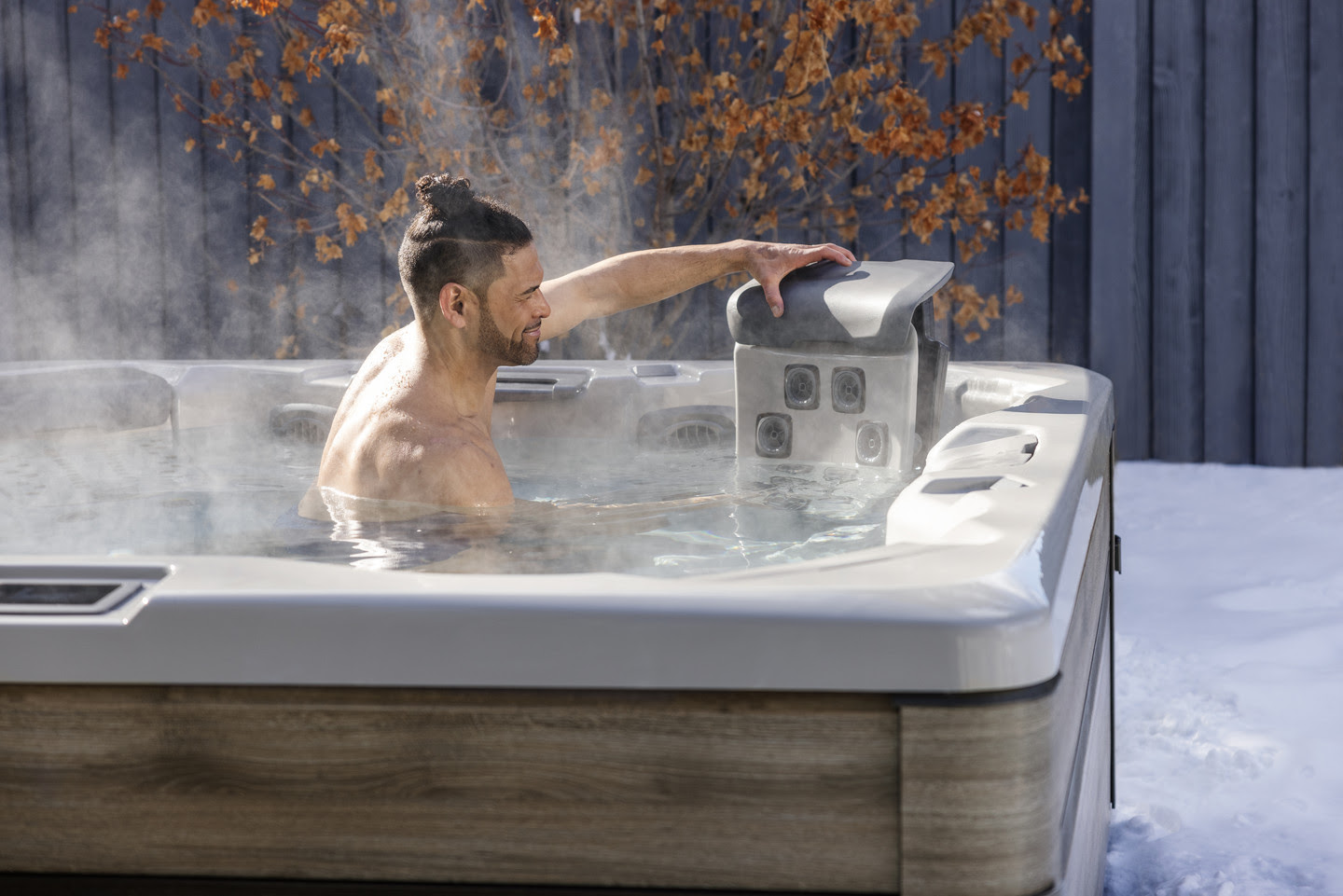
Bullfrog
- Offers up to 16 unique JetPak massage options that you can choose from and place anywhere in your spa.
- Each seat can essentially become its own personalized massage configuration.
- Great for households where different users prefer different massage styles.
Conventional Hot Tubs
- Rely on preset jet layouts — powerful and satisfying, but not reconfigurable.
- If you’re happy with a fixed massage style for each seat, a traditional setup works well.
4. Build Materials & Frame Construction
Bullfrog emphasizes a rot-free, corrosion-resistant frame using molded ABS plastics — marketed as the EnduraFrame™.
Many conventional hot tubs still use traditional internal framing that may include wood or metal supports within the cabinet — these can degrade over long-term exposure to moisture unless properly treated or protected.
This isn’t a universal rule — many premium conventional hot tubs also use corrosion-resistant materials — but Bullfrog pushes the wood-free frame as a longevity and reliability advantage.bullfrog1
